One pencil, several kinds of line
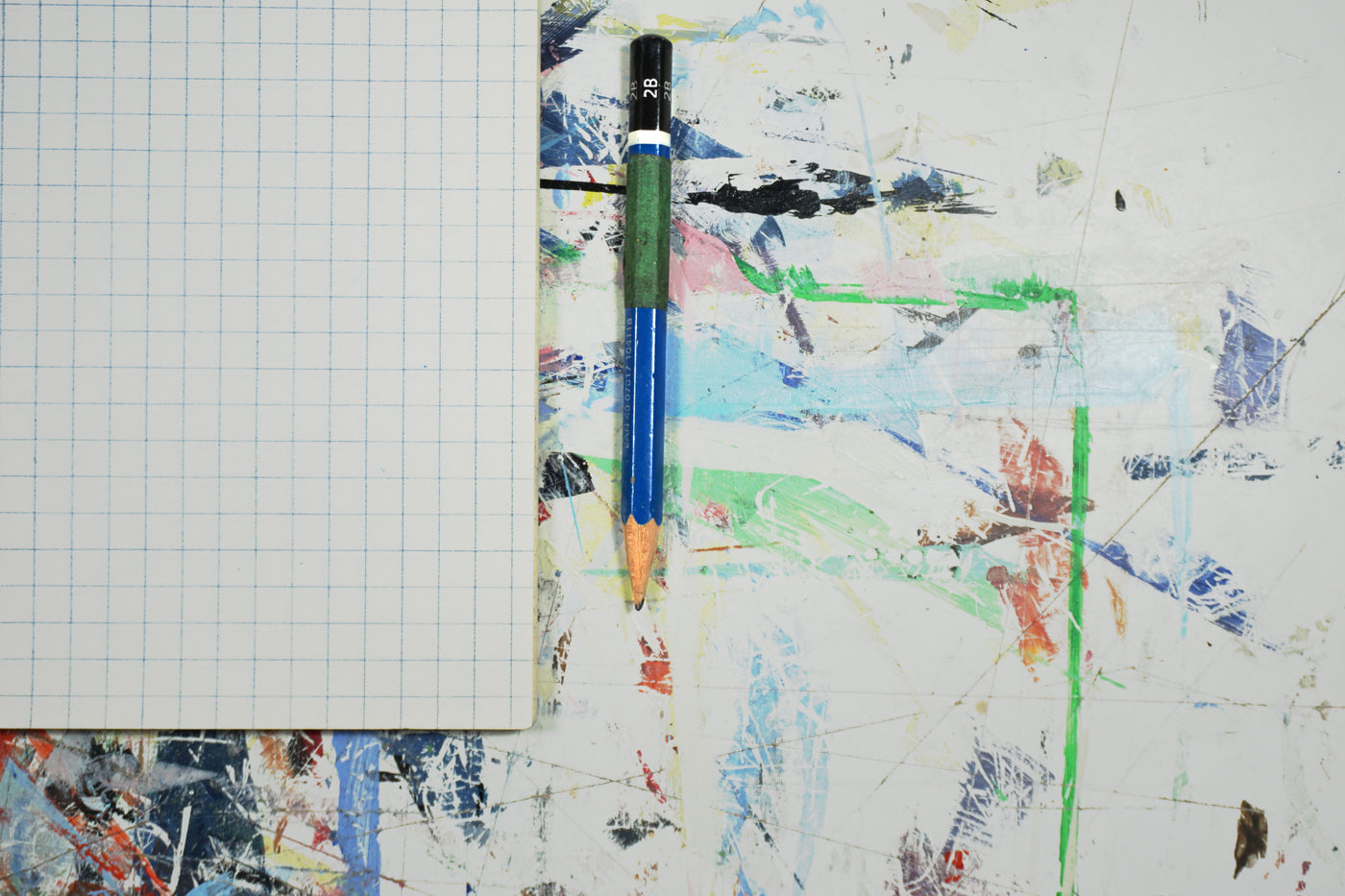
A small comparison sheet separates pressure, direction and edge without buying a larger drawing kit.
 Read the note
A small comparison sheet separates pressure, direction and edge without buying a larger drawing kit.
Read the note
An empty mug and a folded sheet offer a practical way to compare the shape around a subject with the subject itself.
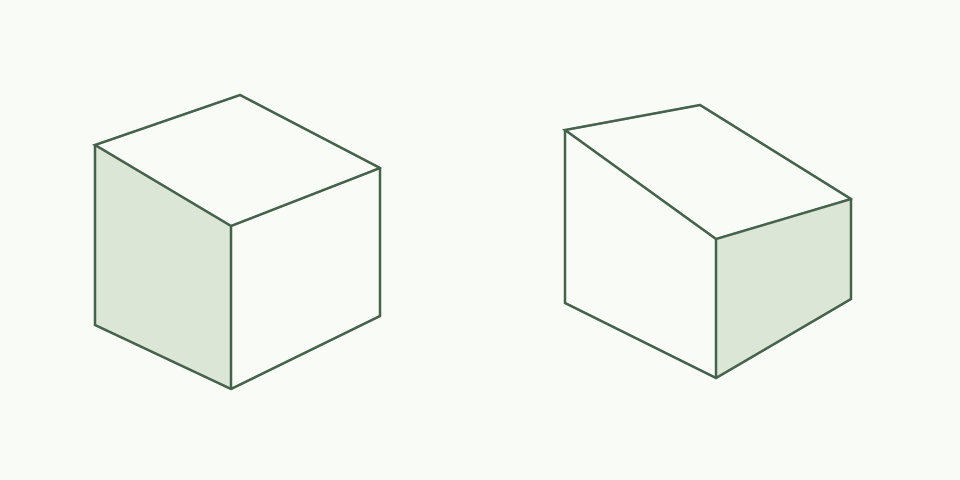
Read the noteCompare three directions and a handful of intervals before committing to the edges of a small carton.
 Read the note
A deliberately interrupted contour can leave a drawing open while still making its boundaries understandable.
Read the noteChoose a limited question and a stopping point so a short drawing can finish without becoming a hurried long drawing.
Read the noteUse a simple carton to compare whether stroke direction describes a plane or merely fills an area.
Read the noteReduce a simple arrangement to open paper, a middle tone and a dark accent before adding surface detail.
Read the noteAn empty round container offers several visible comparisons that are more useful than drawing a memorized oval.
Read the noteSeparate construction marks, uncertain alternatives and final edges before deciding what should disappear.
Read the noteA small movable paper window helps separate the subject you chose from the space you happened to leave around it.
Read the noteFollow a single fold through overlap, thickness and open space without turning every crease into an equally dark line.
 Read the note
Compare narrow and broad graphite marks on the same small subject, then assign each a useful role.
Read the noteStudy the narrow meeting between object and table before adding a large shaded background.
Read the noteA blank strip can hold two marks for an interval without turning an observation drawing into a measured diagram.
Read the noteA small repeated fragment can resolve an uncertain junction without turning every study into a fresh start.
Read the noteA quiet outline can carry a small hierarchy of edges without turning every boundary into a heavy contour.
Read the noteKeep two simple objects separate on the page by observing their shared interval as carefully as their outlines.
Read the noteOrganize observations by the question they answered, leaving useful evidence without turning the page into a decorated journal.
 Read the note
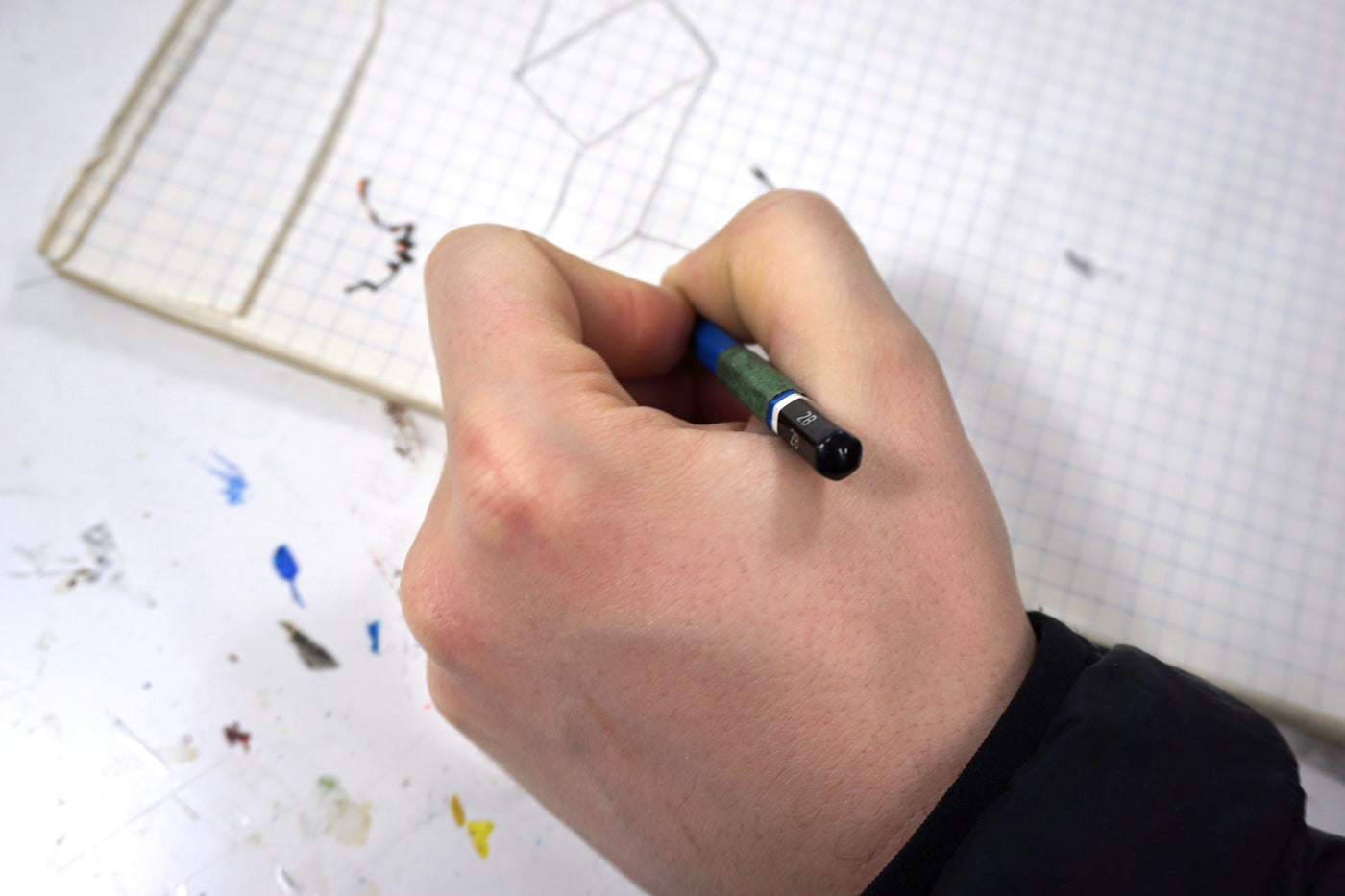
Compare a short point and a longer point by their useful marks, without treating sharpening as a drawing skill contest.
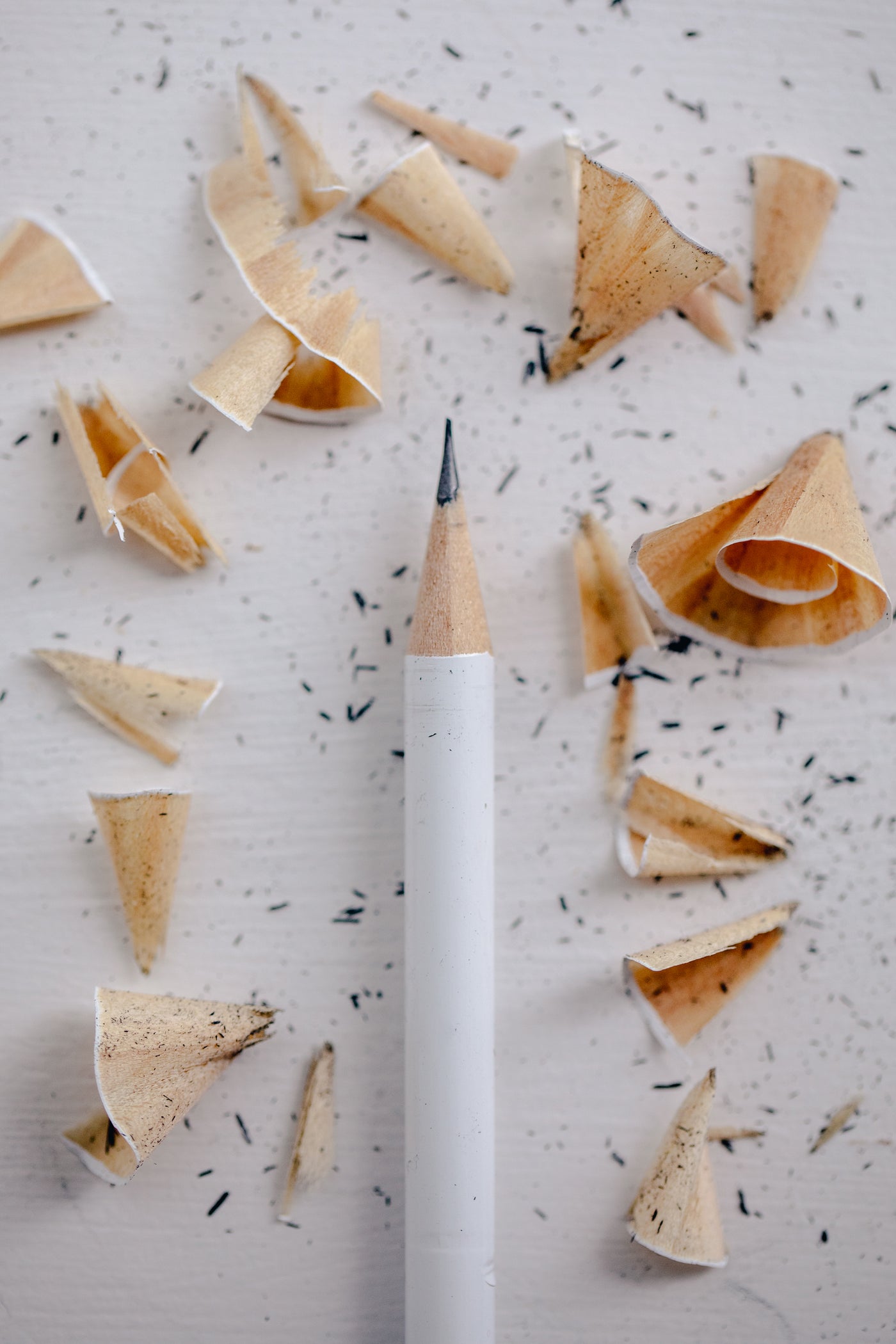 Read the note
Use a few deliberate interruptions to make an overlap readable without darkening every boundary.
Read the noteA narrow paper box offers a manageable way to compare receding edges without forcing them into a memorized perspective diagram.
Read the noteTreat an unpatterned cloth as connected areas of light and shade before drawing every crease.
Read the noteGroup reflections into a few observed shapes while keeping the cup's outline and opening readable.
Read the noteCompare what a small study needs with what a larger study allows, keeping the subject and question consistent.
Read the noteChoose an order of work and a clean resting area before treating every smudge as an erasing problem.
Read the noteTry a shorter phrase or choose another topic.